
- Home/
- Buy Glucophage in Online Pharmacy – Fast Delivery in United States
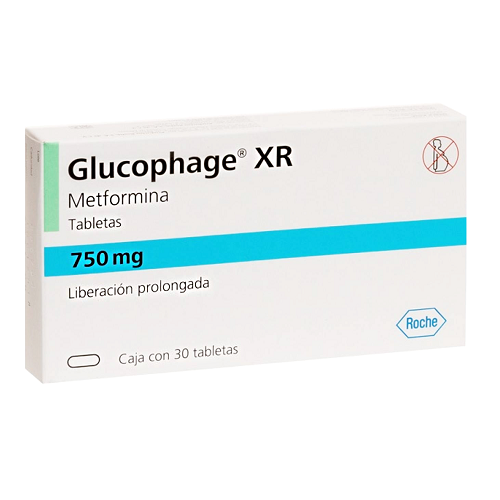
Glucophage is one of the most widely trusted prescription medications for Type 2 Diabetes in the United States, thanks to decades of clinical use and a unique balance of effectiveness, cost, and safety. Its active ingredient, metformin, works differently than most other diabetes drugs—and that difference means not everyone feels the same benefits or side effects. Before you buy Glucophage or order Glucophage online, the single most important thing to know: starting and staying on Glucophage is less about numbers on a label and more about how your body, your lifestyle, and your goals fit this medication’s real-world strengths and limitations.
Is Glucophage the Right Choice for You?
You might be here because someone—your doctor, a friend, or a late-night Google search—suggested Glucophage for your Type 2 Diabetes. Maybe you’re wondering if it’s really the best choice, or just the oldest one. There’s a reason Glucophage remains the first prescription for millions in the United States every year: for many, it hits a clinical sweet spot that’s hard to match.
But no medication is right for everyone. Glucophage, with its metformin base, offers a combination of proven blood sugar lowering, a low risk of causing weight gain or hypoglycemia, and an affordability profile that keeps it within reach for most patients—even without insurance. Yet, for some, alternatives may work better or cause fewer side effects. Choosing Glucophage isn’t just about what’s on the prescription pad; it’s about whether this drug matches your specific health picture, lifestyle, and what you want out of treatment.
Most people start Glucophage for one core reason: it lowers blood glucose reliably, especially after meals, and does so without the need for injections or complex titration. The main question isn’t “Is Glucophage good?” but “Is Glucophage good for me?”—given your A1c, your kidney function, your appetite, and your tolerance for the side effects metformin can bring in the first weeks.
- Type 2 Diabetes
- A chronic condition where the body becomes resistant to insulin or cannot produce enough insulin, leading to elevated blood sugar levels over time. Managing Type 2 Diabetes involves lifestyle changes, regular monitoring, and often medications like Glucophage.
How Glucophage Actually Works in Everyday Life
Metformin—Glucophage’s active ingredient—does its work behind the scenes, lowering your liver’s glucose output and helping your body use insulin more effectively. But the lived experience of taking Glucophage isn’t just about blood tests and lab results. It’s about whether your morning routine changes, whether food upsets your stomach, whether you feel empowered or frustrated by your treatment.
A typical day on Glucophage doesn’t usually feel dramatically different—not at first. Most people won’t notice a blood sugar crash or a sudden spike in energy. Instead, the changes are gradual: after a few weeks, you may see steadier numbers on your glucose meter, fewer cravings, and sometimes even modest weight loss. That last point is a major reason why Glucophage—unlike some newer diabetes drugs—has held onto its role as a mainstay; it rarely causes weight gain, and in some, may help shed a few pounds.
- Glucophage is usually taken once or twice daily, with meals, to minimize stomach upset.
- Most patients start at a low dose, gradually increasing to reduce GI side effects.
- Results take time—expect to see the full effect on A1c after about 2-3 months.
- Missing doses can reduce effectiveness; consistent daily use matters more with Glucophage than with some injectables.
Many patients in the United States ask whether Glucophage “feels” different from generic metformin. For most, the answer is no—the active ingredient is the same. But for those with sensitive stomachs, brand-name Glucophage or extended-release versions may cause fewer GI side effects than some generics. If you are considering whether to buy Glucophage or purchase Glucophage in pharmacy settings or online, this subtle difference can matter more than you’d expect.
What It Takes to Get Results with Glucophage
Getting the most out of Glucophage means more than just swallowing a pill. The way you start, the way you ramp up the dose, and what you eat in the first weeks all shape your experience. No other medication for Type 2 Diabetes in United States is as sensitive to how you start as Glucophage.
Here’s how a typical dosing schedule unfolds for adults with Type 2 Diabetes:
| Patient Type | Starting Dose | Maximum Dose (per day) | Adjustment Notes |
|---|---|---|---|
| Most Adults | 500 mg once daily with food | 2000–2550 mg (divided into 2–3 doses) | Increase by 500 mg/week as tolerated |
| Older Adults (≥65 years) | 500 mg once daily | Usually ≤1500 mg/day | Monitor kidney function closely |
| Impaired Renal Function (eGFR 30–45) | Start at 500 mg once daily (if prescribed) | Do not exceed 1000 mg/day | Contraindicated if eGFR < 30 |
In practice, reaching the “maximum” dose is rarely needed—most patients see meaningful improvement at 1500–2000 mg/day. What matters is tolerability and steady daily use, not hitting the ceiling. If you’re looking to buy Glucophage cheap or order Glucophage online, be aware that dosing instructions should always be individualized based on your doctor’s advice.
- Always take Glucophage with a meal or snack to minimize GI upset.
- If you miss a dose, take it with your next meal; don’t double up.
- Alcohol can increase rare risks (like lactic acidosis); moderation is key.
- Report any persistent nausea, vomiting, or muscle pain to your healthcare provider.
For many, the first week is the hardest, as the gut adjusts. But most people find that the GI side effects fade with time—especially if the dose increases slowly. If you’re struggling, sometimes switching to extended-release formulations of Glucophage (or to a different generic) can make all the difference.
Which Side Effects Matter Most with Glucophage—and When to Act
The reputation for stomach side effects is real—nearly a quarter of patients report some GI discomfort in the first weeks. What matters isn’t whether you feel something, but whether it’s a signal to adjust, pause, or stop the medication.
For most, the typical side effects are mild and short-lived. Nausea, diarrhea, and a metallic taste in the mouth are the usual suspects—unpleasant, but not dangerous. These usually resolve as your body adapts, especially with careful dose titration.
Longer-term, Glucophage is considered safe for most, with a track record that stands up to decades of scrutiny. But it’s not risk-free. Rarely, patients can develop vitamin B12 deficiency or, even more rarely, lactic acidosis—a life-threatening but extremely uncommon complication (well under 1 in 10,000, but more likely if you have advanced kidney, liver, or heart disease).
| Side Effect | Frequency | When to Contact a Doctor |
|---|---|---|
| Nausea / Vomiting | Common (10–25%) | If persistent, severe, or causing dehydration |
| Diarrhea | Common (10–20%) | If severe, persistent, or bloody |
| Metallic taste | Occasional (5–10%) | If intolerable or persistent |
| Vitamin B12 deficiency | Rare (<5%) | If experiencing fatigue, numbness, or tingling after months/years on Glucophage |
| Lactic acidosis | Very rare (<0.1%) | Immediate medical attention if muscle pain, rapid breathing, or severe weakness |
Knowing when to ride out a symptom versus when to call your healthcare provider is part of the learning curve. For example, mild nausea after your first few doses is expected. But ongoing vomiting, confusion, or shortness of breath are not—those need urgent attention.
- Lactic Acidosis
- A rare but serious build-up of lactic acid in the blood, potentially fatal. Risk increases with impaired kidney function, dehydration, or severe infection. Symptoms include rapid breathing, muscle pain, and severe weakness.
When Not to Take Glucophage: Absolute and Relative Contraindications
- Your estimated glomerular filtration rate (eGFR) is below 30 mL/min/1.73m2—this signals advanced kidney dysfunction.
- You have acute or chronic metabolic acidosis, including diabetic ketoacidosis.
- You are allergic to metformin or any component in Glucophage.
These are absolute contraindications—taking Glucophage in these situations is unsafe, no matter what. But in real life, most patients wonder about the gray zones: what if your kidney numbers are just a bit low? What if you’re planning a contrast dye study, or you have a history of liver disease?
- Chronic Kidney Disease (eGFR 30–45): Some guidelines allow cautious use with dose reduction and close monitoring, but many doctors prefer alternatives if renal function is declining.
- Liver Disease: Increased risk of lactic acidosis—most U.S. clinicians avoid Glucophage if you have significant hepatic impairment.
- Acute Illness, Dehydration, or Severe Infection: Temporary interruption is often recommended; discuss with your provider.
- Use of Iodinated Contrast Agents for Imaging: Glucophage should be paused before and after the procedure if you have renal risk factors.
- Pregnancy and Breastfeeding: Glucophage is sometimes continued in pregnancy under specialist care, but not started without specific clinical indication.
The practical message: Never start, stop, or restart Glucophage without checking with your healthcare provider if you have kidney, liver, or heart issues—or if you develop a serious infection or dehydration. These risks are not theoretical; they shape real-world prescribing decisions every day in the United States.
Glucophage vs. Other Type 2 Diabetes Medications: Where It Stands Out
For years, Glucophage has been the default first-line therapy for Type 2 Diabetes in the United States. But with newer classes—like GLP-1 receptor agonists and SGLT2 inhibitors—now in the mix, patients and physicians are rethinking old habits. Is Glucophage still the best starting point, or are there situations where another option deserves the spotlight?
| Attribute | Glucophage (Metformin) | GLP-1 Agonists (e.g., Semaglutide) | SGLT2 Inhibitors (e.g., Empagliflozin) |
|---|---|---|---|
| Mechanism | Reduces liver glucose output; increases insulin sensitivity | Increases insulin secretion; delays gastric emptying | Increases glucose excretion in urine |
| Form | Oral tablet (once/twice daily) | Injection (weekly or daily) | Oral tablet (once daily) |
| Weight Effect | Neutral or modest loss | Weight loss (often significant) | Weight loss (mild to moderate) |
| Hypoglycemia Risk | Low (unless combined with sulfonylureas/insulin) | Low | Low |
| Cost (U.S.) | Low; generic available, Glucophage cheap/affordable at most pharmacies | High; often requires prior authorization, rarely cheap | Moderate to high; some insurance coverage, not always affordable |
| Common Side Effects | GI upset, B12 deficiency (rare) | Nausea, vomiting, pancreatitis (rare) | UTIs, increased urination, genital infections |
| Cardiovascular Benefit | Possible; less robust evidence | Yes (in some drugs; strongest data) | Yes (especially in patients with heart failure) |
| Prescription Required in U.S.? | Yes | Yes | Yes |
The bottom line: Glucophage remains the most practical, cost-effective entry point—especially for those starting Type 2 Diabetes treatment or needing a cheap, reliable option. But if you have established heart disease, need significant weight loss, or have a history of GI intolerance, your doctor may recommend a newer agent up front. Insurance coverage in the United States is a major limiting factor for many of the newer (and pricier) drugs, which makes options to buy Glucophage online or order Glucophage without prescription (where legal) especially appealing to some patients—though buying Glucophage in pharmacy with a prescription remains standard and safest.
In my practice, I see two kinds of patients: those who do wonderfully on Glucophage with minimal side effects, and those who just can’t tolerate the GI symptoms, no matter how slow we increase the dose or which brand we use. The key is not to force metformin when the patient is miserable—there are alternatives, but Glucophage should almost always be tried first, unless there’s a clear contraindication. — Endocrinologist, United States
Buying Glucophage in United States: Prescription, Cost, and Access
If you’ve ever searched for “buy Glucophage” or “Glucophage without prescription,” you know the online landscape is a confusing mix of legitimate pharmacies, gray-market sellers, and outright scams. In the United States, Glucophage is a prescription-only medication—federal law prohibits legal purchase without a valid prescription. Any claims to order Glucophage without prescription or purchase Glucophage online without a doctor’s involvement should raise red flags.
The good news: Glucophage is among the most affordable prescription diabetes medications available—especially in its generic metformin form. Most pharmacies in the United States carry several brands and generics, and many offer $4–$10 monthly supply programs for low doses. If cost is a concern, ask your pharmacist about Glucophage cheap generics or discuss with your doctor whether a specific brand is necessary.
- Glucophage in pharmacy: Widely available at chain, independent, and mail-order pharmacies with a valid prescription.
- Glucophage online: Legal only through certified U.S. online pharmacies requiring verification of your prescription. Be wary of international sellers offering Glucophage without prescription—quality, authenticity, and legal issues abound.
- Insurance coverage: Most U.S. insurers (including Medicare and Medicaid) cover generic metformin and, often, Glucophage. Co-pays for brand name may vary.
If you’re uninsured, shopping around can make a big difference; price comparison tools and pharmacy discount programs often bring the cost of Glucophage in United States down to a few dollars per month, even without insurance coverage.
- Online Pharmacy
- A licensed, U.S.-based pharmacy that dispenses medications via the internet, legally requiring a prescription and operating under FDA oversight.
FAQs About Glucophage in United States
- Can I buy Glucophage without a prescription in the United States?
- No. In the United States, Glucophage is classified as a prescription-only medication by the FDA. Any website or seller offering Glucophage without prescription is either operating outside the law or may be selling unsafe products.
- What’s the difference between Glucophage and generic metformin?
- Both contain metformin as the active ingredient, but Glucophage is the original brand. Some patients find brand-name Glucophage or its extended-release forms (Glucophage XR) easier on the stomach, but most people have similar results with generics.
- How can I buy Glucophage cheap if I don’t have insurance?
- Many U.S. pharmacies offer discounted generic metformin—even as low as $4 per month. Ask about pharmacy discount programs and compare prices at different locations. When you purchase Glucophage, brand-name often costs more than generic, so consider alternatives if affordability is key.
- Is it safe to order Glucophage online?
- Yes, but only from certified, U.S.-based online pharmacies that require a valid prescription. Sites offering to order Glucophage without prescription or “buy Glucophage online” at unusually low prices may be risky and are often illegal.
- Will Glucophage cause me to lose weight?
- Some people experience modest weight loss, but Glucophage is not a weight-loss drug. Most patients maintain or lose a few pounds, especially with lifestyle changes.
- How long does it take for Glucophage to work?
- Blood sugar often begins to improve within a week or two, but full effect on A1c is usually seen after 2–3 months of steady use. Consistency with dosing and lifestyle changes is key.
- What should I do if I miss a dose?
- Take your next scheduled dose with a meal. Do not double up doses. If you’re missing doses frequently, talk to your provider—adherence really matters for Glucophage’s effectiveness.
- Can I take Glucophage with other diabetes medications?
- Yes, Glucophage is often combined with other drugs if blood sugar remains uncontrolled. Your doctor will guide which combinations are safe and effective for your situation.
- Are there ways to reduce side effects when starting Glucophage?
- Start at the lowest dose, take it with food, and increase gradually. Extended-release forms can help. If problems persist, discuss switching formulations or alternatives.
Sources / References
- U.S. Food and Drug Administration (FDA)
- Centers for Disease Control and Prevention — Diabetes Statistics Report
- American Diabetes Association: Standards of Medical Care in Diabetes
- Glucophage (metformin hydrochloride) Prescribing Information, Bristol Myers Squibb, 2022
- Mayo Clinic: Metformin (Oral Route)
- ClinicalTrials.gov
- 2024 ADA/EASD Consensus Report on the Management of Hyperglycemia in Type 2 Diabetes
- Metformin for Diabetes: Mechanism and Evidence, PubMed Review, 2023