
- Home/
- Buy Doxycycline Without Prescription in the United States Online
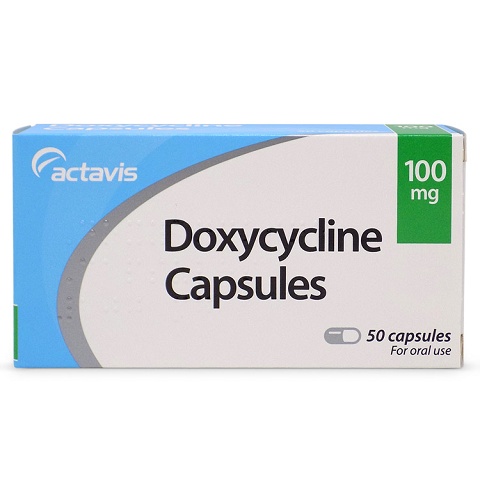
Can You Buy Doxycycline Without a Prescription in United States?
In United States, Doxycycline is a prescription-only medication. It is illegal and unsafe to buy Doxycycline without a valid prescription from a licensed healthcare provider. Any source offering Doxycycline without prescription is unauthorized and potentially dangerous.
Key Takeaways: Doxycycline in United States (2026)
- Doxycycline is only available with a prescription from a licensed doctor in United States.
- This antibiotic is most suitable for bacterial infections such as respiratory tract infections, acne, Lyme disease, and certain sexually transmitted infections.
- Results typically begin within 24–48 hours for most infections, but the full course must be completed for best outcomes.
- Self-medication or stopping treatment early increases the risk of resistance and treatment failure.
- If you experience severe side effects (e.g., difficulty breathing, severe rash), seek immediate medical attention.
- Consult your physician before starting if you have liver, kidney issues, or are pregnant or breastfeeding.
How Does Doxycycline Work? Pharmacological Mechanism Explained
Doxycycline is a broad-spectrum tetracycline-class antibiotic that works by inhibiting bacterial protein synthesis. Specifically, it binds to the 30S ribosomal subunit of susceptible bacteria, blocking the attachment of aminoacyl-tRNA to the mRNA-ribosome complex. This action halts the addition of new amino acids to a growing peptide chain, ultimately suppressing the formation of essential proteins needed for bacterial growth and multiplication (FDA).
Unlike some antibiotics that kill bacteria outright (bactericidal), doxycycline is primarily bacteriostatic: it prevents bacteria from reproducing, allowing the body’s immune system to eliminate the infection. It is effective against a wide range of Gram-positive and Gram-negative bacteria, as well as atypical organisms like Chlamydia, Mycoplasma, and some protozoa.
Simplified Metaphor: Imagine bacteria as a factory producing harmful products (infections). Doxycycline acts like a switch that turns off the factory’s assembly line, stopping new products from being made—eventually, the factory shuts down because it can’t maintain its operations.
Importantly, doxycycline does not require any specific food, hormonal, or physiological triggers to be effective. It works independently, as long as the bacteria are sensitive to it.
Myth: Doxycycline kills all bacteria instantly.
Reality: It slows bacterial growth, allowing your immune system to clear the infection over several days.
Patients Often Expect a Quick Cure: The Reality of Doxycycline Therapy
In my experience, many patients believe that antibiotics like doxycycline will provide immediate relief, sometimes even after a single dose. However, the reality is that symptom improvement may take 24–72 hours, and full resolution can require completing the entire prescribed course. I often find patients judge the effectiveness solely by how quickly their symptoms improve, not realizing that some infections (such as acne or chronic bronchitis) need longer treatment and patience. Few patients ask whether they might still be contagious while on therapy, or how antibiotic resistance develops when stopping early. Another frequent misconception is that missing a dose is harmless—yet inconsistent intake reduces efficacy and increases resistance risk. It’s important for patients to ask how to monitor for rare but serious side effects and understand that “feeling better” does not mean the infection is eradicated. Adhering to the prescribed regimen, even after improvement, is essential for complete recovery and public health.
How to Take Doxycycline: Dosage Regimen, Onset, and Duration
Doxycycline dosing depends on the type and severity of infection, as well as patient characteristics. For most adults, the standard initial dose is 100 mg twice daily on the first day, followed by 100 mg once daily (or divided into two 50 mg doses daily). Some infections require higher or divided doses—always follow your doctor’s prescription.
- Maximum dose: Typically, do not exceed 200 mg per day unless specifically instructed by a healthcare provider.
- Children: Doxycycline is generally not recommended for children under 8 years old due to risk of tooth discoloration and effects on bone growth.
- Elderly and organ impairment: No standard dose adjustment is needed for mild liver or kidney impairment, but close monitoring is advised. Severe impairment requires individual assessment.
- Pregnancy and breastfeeding: Doxycycline is not recommended due to potential harm to fetal bone and teeth development.
- Tablet splitting: Most standard doxycycline tablets can be split, but extended-release formulations must not be broken or chewed—check the label or ask your pharmacist.
Onset of Action: Initial symptom improvement is usually seen within 1–3 days for acute infections. Full therapeutic effect requires completing the entire course, which may range from 5 days (for mild infections) to 14–30 days (for acne or complicated infections).
Duration in Body: The half-life of doxycycline is about 18–22 hours. This means the drug stays active in your system long enough to allow once or twice daily dosing.
Doxycycline and Food, Alcohol, and Lifestyle: What You Need to Know
- Food: Doxycycline can be taken with or without food, but taking it with a full glass of water and remaining upright for at least 30 minutes helps reduce stomach irritation and the risk of esophageal ulcers.
- Dairy products: High-calcium foods (milk, cheese, yogurt) and antacids with magnesium/aluminum can reduce absorption by binding to doxycycline. Separate doses by at least 2 hours.
- Alcohol: Light to moderate alcohol intake does not significantly reduce efficacy, but heavy/long-term use may impair metabolism and increase the risk of liver toxicity. If you have liver issues, avoid alcohol during therapy.
- Grapefruit Juice: Unlike some antibiotics, grapefruit juice does not significantly affect doxycycline levels.
- Sun exposure: Doxycycline increases sensitivity to sunlight. Use sunscreen and avoid excessive sun exposure while on therapy.
Fatty meal: Minor delay in absorption—prefer light meal or empty stomach.
Dairy/antacids: REDUCE absorption—separate by 2 hours.
Alcohol: Occasional use is acceptable; chronic/heavy use increases risk.
Grapefruit juice: No significant effect.
Who Should Not Use Doxycycline? Absolute and Relative Contraindications
- Absolute (Never Use):
-
- Known hypersensitivity to doxycycline or other tetracyclines (risk of severe allergic reactions).
- Children under 8 years old (risk of permanent tooth discoloration and bone growth inhibition).
- Pregnant women (especially second and third trimester) and breastfeeding mothers (risk to fetal/infant bones and teeth).
- Relative (Use with Caution):
-
- Liver or kidney dysfunction—monitor closely, especially with high doses or prolonged use.
- History of esophageal disorders—risk of esophagitis and ulceration is higher.
- Photosensitivity disorders—doxycycline increases sunburn risk.
- Concurrent use of retinoids (e.g., isotretinoin)—risk of increased intracranial pressure.
Cardiovascular risk: There is no direct contraindication with cardiovascular disease, but severe liver or kidney disease (often associated with heart failure) may require dosing adjustments and increased monitoring.
What Side Effects Are Most Common with Doxycycline?
Doxycycline is generally well-tolerated, but side effects can occur. These are categorized as follows:
- Very Common (>1/10):
- Gastrointestinal upset (nausea, abdominal pain, diarrhea)
- Sun sensitivity (photosensitivity reactions, rash)
- Common (1/100 to 1/10):
- Vomiting
- Loss of appetite
- Esophagitis (painful swallowing, chest pain)
- Headache
- Rare (1/10,000 to 1/1,000):
- Allergic reactions (hives, swelling, anaphylaxis)
- Increased intracranial pressure (pseudotumor cerebri) with headache, blurred vision
- Hepatitis or liver dysfunction
- Oral thrush or vaginal yeast infections
- Very Rare (<1/10,000):
- Severe skin reactions (Stevens-Johnson syndrome)
- Blood cell disorders (anemia, leukopenia)
What to do if side effects occur? For mild symptoms (nausea, mild rash), contact your doctor for advice. For serious symptoms (swelling, severe rash, difficulty breathing, severe headache/vision changes), stop doxycycline and seek emergency care immediately.
Common Mistakes When Using Doxycycline and How to Avoid Them
- Stopping therapy early: Many patients stop taking doxycycline as soon as they feel better, not completing the full course. This increases the risk of bacterial resistance and relapse. Always finish your prescribed course, even if symptoms resolve.
- Taking with dairy or antacids: Consuming doxycycline with milk, yogurt, or calcium/magnesium antacids reduces drug absorption, making treatment less effective. Separate these by at least 2 hours.
- Lying down immediately after dosing: Taking doxycycline just before bed or lying down increases the risk of esophageal irritation and ulcers. Remain upright for at least 30 minutes after taking the pill.
- Direct sun exposure: Some patients don’t realize the increased risk of sunburn while on doxycycline. Avoid sunbathing and use sunscreen.
- Missing doses and doubling up: Skipping doses and then taking two at once can increase side effect risks without improving effectiveness. Take missed doses as soon as remembered, but do not double up.
- Not informing your doctor of all medications: Over-the-counter supplements, especially calcium, magnesium, or iron, can interact with doxycycline. Always tell your provider about all products you use.
- Assuming all infections respond: Trying to use leftover doxycycline for new infections may lead to ineffective treatment or harm. Doxycycline works only for specific bacteria—never self-prescribe.
How Does Doxycycline Compare to Alternative Antibiotics?
Doxycycline is often compared to other antibiotics for similar indications, such as amoxicillin and azithromycin. Here is how they stack up in terms of speed, duration, price, and side effect profile:
| Drug | Typical Onset | Duration of Action | Common Side Effects | Cost per Tablet (USD) | Prescription Required? |
|---|---|---|---|---|---|
| Doxycycline | 24–48 hours | 12–24 hours | GI upset, sun sensitivity | $0.30–$1.50 | Yes |
| Amoxicillin | 24 hours | 8–12 hours | GI upset, rash | $0.20–$1.00 | Yes |
| Azithromycin | 24–48 hours | 24+ hours | GI upset, QT prolongation | $1.00–$4.00 | Yes |
Bottom line: Doxycycline is often more affordable than azithromycin, has a broader spectrum than amoxicillin for atypical infections, but requires sun protection and careful administration. All three require a prescription in United States.
Doxycycline Technical Data: Strengths, Forms, Storage
| Parameter | Value |
|---|---|
| Available strengths | 50 mg, 75 mg, 100 mg, 150 mg |
| Formulations | Tablets, capsules, oral suspension, IV solution (hospital use) |
| Half-life (T1/2) | 18–22 hours |
| Metabolism | Primarily hepatic, some excretion in urine and feces |
| Storage | Room temperature (68–77°F, 20–25°C), protect from moisture/light |
Compatibility of Doxycycline with Other Medications and Products
| Product | Can Be Combined? | Result/Consequence |
|---|---|---|
| Ibuprofen | Yes | No significant interaction |
| Oral contraceptives | Yes (with caution) | Mild decrease in effectiveness; use backup contraception |
| Calcium supplements/antacids | Avoid simultaneous use | Reduces doxycycline absorption |
| Alcohol (moderate) | Yes (with caution) | Heavy use may cause liver issues |
| Retinoids (isotretinoin) | STRICTLY NO | Risk of increased intracranial pressure |
| Warfarin | With doctor supervision | May increase bleeding risk |
How to Obtain Doxycycline Legally in United States: Step-by-Step Guide
- Consultation: Schedule an appointment with a licensed doctor. This can be in person or through a legitimate telemedicine service.
- Medical Assessment: Your doctor will review your symptoms, medical history, and may order laboratory tests if needed to confirm a bacterial infection treatable with doxycycline.
- Prescription Issuance: If appropriate, your doctor will issue a prescription for doxycycline, specifying the dose and duration.
- Pharmacy Fulfillment: Present the prescription at a licensed pharmacy or use a certified online pharmacy operating in United States. The pharmacist will verify your prescription and dispense the medication.
- Follow-up: Complete the full course as directed. Contact your doctor if you experience side effects or if symptoms persist or worsen.
Note: Some insurance plans may cover the cost of doxycycline in United States. Ask your doctor or pharmacist about coverage and generic options to ensure affordable access.
Is It Safe to Buy Doxycycline Online? United States Pharmacy Safety Guide
With increased demand to buy doxycycline online, it is vital to distinguish between licensed pharmacies and unregulated or illegal sellers. The U.S. Food and Drug Administration (FDA) requires all online pharmacies dispensing prescription medicines to be licensed and to require a valid prescription.
- Look for the VIPPS (Verified Internet Pharmacy Practice Sites) seal or check the National Association of Boards of Pharmacy (NABP) database (nabp.pharmacy).
- Legitimate pharmacies will ask for your prescription and provide pharmacist consultation.
- Warning Signs: No prescription required, no physical address, extremely low prices (“Doxycycline cheap”), or spammy advertisements.
- Counterfeit doxycycline bought from unverified sources may contain incorrect or harmful ingredients, risking your health.
- Illegal purchase or importation of prescription medications can result in loss of money, unsafe products, and potential legal consequences.
How to Spot Counterfeit Doxycycline: Packaging and Generics Explained
- Original packaging: U.S.-approved doxycycline comes in sealed blisters or bottles, labeled with the manufacturer’s name, batch number, expiration date, and FDA approval details. Fonts are clear, not smudged, and packaging includes English labeling.
- Quality check: Most original packs now include QR codes or holograms for authenticity. Scan QR codes (if present) with your phone or check batch details with your pharmacist.
- Physical appearance: Tablets or capsules should be uniform in color and shape. Any broken, misshapen, or discolored pills are suspect.
- Unusually low price: “Doxycycline cheap” offers, especially without prescription, are a frequent sign of counterfeit or substandard products.
- Generics: The patent on doxycycline has expired; many FDA-approved generics are available in United States. Generics must meet the same quality, safety, and efficacy standards as the brand-name product but may use different inactive ingredients (excipients), which can rarely cause allergic reactions in sensitive individuals. Ask your pharmacist if you have concerns about excipients.
Psychological Support: You Are Not Alone
Bacterial infections are common and manageable. If you feel anxious about your diagnosis or antibiotic use, remember that millions of people successfully recover with proper treatment. Don’t hesitate to discuss your concerns with your doctor or a qualified mental health professional. Open communication with family and partners can also provide valuable support during therapy.
What To Do In Case of Doxycycline Overdose: Emergency Actions
- Stop taking doxycycline immediately.
- Contact Poison Control (1-800-222-1222) or call 911 for emergency medical help in United States.
- Provide the medical team with details: How much was taken, when, and any symptoms you are experiencing.
- Do not try to induce vomiting or treat the overdose yourself.
- Bring the medication packaging to the hospital, if possible.
Symptoms of overdose may include: severe nausea, vomiting, diarrhea, confusion, or liver dysfunction. Rapid medical intervention is essential for best outcomes.
Doctor Answers to Practical Patient Questions about Doxycycline
- How do I know if doxycycline is working for my infection?
- Most patients notice symptom improvement within 48–72 hours. However, some conditions like acne or Lyme disease may take longer. I recommend monitoring for reduced fever, pain, swelling, or discharge—not just how you feel overall. If symptoms persist or worsen, contact your doctor.
- Is it normal to have mild stomach upset when starting doxycycline?
- Yes, mild gastrointestinal symptoms are common, especially in the first few days. Taking doxycycline with a light meal and a full glass of water can help. If symptoms are severe or persistent, let your doctor know.
- Why do I need to finish the entire course if I feel better?
- Even if you feel better, bacteria may still be present. Stopping early increases the risk of the infection returning and encourages antibiotic resistance. Completing the course ensures all the bacteria are eliminated.
- Can I use doxycycline for viral infections or colds?
- No. Doxycycline is only effective against bacteria. Using antibiotics for viral infections offers no benefit and contributes to resistance. I only prescribe it when I am confident of a bacterial cause.
- Are generic doxycycline products as reliable as brand-name versions?
- Yes. In United States, generics must meet strict FDA quality and efficacy standards. Differences are usually limited to inactive ingredients, which may rarely cause allergies in sensitive individuals.
- How will my progress be monitored while on doxycycline?
- I monitor patients by checking symptom improvement, possible side effects, and, if needed, follow-up lab tests for certain infections. If you experience any unusual symptoms, report them promptly so we can adjust your treatment if necessary.
Doctor’s Clinical Assessment: Who Should Use Doxycycline?
From a clinical perspective, I consider doxycycline primarily for adults and older children with confirmed or highly suspected bacterial infections where tetracyclines are effective—such as respiratory tract infections, tick-borne diseases, certain STIs, and persistent acne. It’s especially valuable for patients with penicillin allergies or when treating pathogens resistant to other antibiotics. However, I avoid using it in pregnant women, breastfeeding mothers, and children under 8 due to well-documented risks to bones and teeth. Patients with liver or kidney impairment, or those on interacting medications like retinoids, require extra caution and monitoring. In cases of severe infections, or if the patient has previously experienced allergy or intolerance to tetracyclines, alternative antibiotics may be preferable. The choice is always guided by bacterial sensitivity patterns, patient comorbidities, and the likelihood of adherence to a full course. When used as directed, doxycycline remains a cost-effective, versatile option—but like all antibiotics, it is not a “cure-all” and should never be used without clear indication.
Frequently Asked Questions about Doxycycline in United States
- Can I buy doxycycline in United States without a prescription?
- No. Doxycycline is only available with a valid prescription in United States. Any website or seller offering it without prescription is operating illegally and may sell counterfeit or unsafe products.
- How much does doxycycline cost in United States?
- The price for generic doxycycline varies by pharmacy and insurance coverage but typically ranges from $0.30 to $1.50 per tablet. Brand names and some online services may charge more.
- Is it safe to purchase doxycycline online?
- It is safe only if you use a licensed, U.S.-based pharmacy that requires a valid prescription. Always verify the pharmacy through the NABP or check for VIPPS accreditation. Avoid sites offering “doxycycline online” without prescription or at unusually low prices.
- What is the risk of side effects from doxycycline?
- Most side effects are mild (nausea, sun sensitivity), but rare serious reactions can occur. Complete the full course and contact your doctor if you have severe symptoms such as rash, difficulty breathing, or severe headache.
- How quickly will I feel better after starting doxycycline?
- Many patients notice improvement within 2–3 days. However, some conditions like acne may require several weeks for noticeable results.
- Can I drink alcohol while taking doxycycline?
- Moderate alcohol consumption is generally safe for healthy adults, but heavy drinking may increase the risk of liver problems. If you have liver disease, avoid alcohol during treatment.
- What should I do if I miss a dose?
- Take the missed dose as soon as you remember unless it’s close to your next dose. Do not double up. Resume your regular schedule.
- Are there affordable options for doxycycline in United States?
- Yes. There are many generic versions available, which are typically affordable. Ask your pharmacist for the most cost-effective alternative covered by your insurance.
- Can doxycycline be used in children?
- It is generally not recommended for children under 8 years old due to risks of tooth discoloration and bone growth inhibition, except in some severe infections when no alternative exists.
- How do I dispose of leftover doxycycline?
- Do not flush unused pills. Return them to a pharmacy drug take-back program or follow local disposal guidelines. Ask your pharmacist for advice on safe disposal.
References
- U.S. Food and Drug Administration (FDA). https://www.fda.gov/
- Mayo Clinic. Doxycycline (Oral Route). https://www.mayoclinic.org/drugs-supplements/doxycycline-oral-route/description/drg-20072021
- National Institutes of Health (NIH) MedlinePlus. https://medlineplus.gov/druginfo/meds/a682063.html
- Centers for Disease Control and Prevention (CDC). https://www.cdc.gov/
- PubMed, recent studies on Doxycycline resistance and safety. https://pubmed.ncbi.nlm.nih.gov/
- National Association of Boards of Pharmacy (NABP). https://nabp.pharmacy/
- ClinicalTrials.gov, Doxycycline Ongoing Studies. https://clinicaltrials.gov/